


True skeletal expansion — for teens and adults.
~30 min
placement under local anesthesia only
4–10
miniscrews placed in preplanned guides
1–3 weeks
for the mid-palatal suture to split
1–4 days
of mild discomfort, managed with over-the-counter medication
A narrow upper jaw narrows the airway.
Maxillary expansion widens the upper jaw (maxilla) at the skeletal level. A narrow maxilla is associated with nasal obstruction, open-mouth posture, crowded teeth, and hindered facial development — common features of patients with obstructive sleep apnea (OSA).
Expanding the maxilla increases nasal cavity volume, decreases nasal resistance, and gives the tongue more room to rest up and forward in the mouth — increasing airway space.
Conventional expanders work well in children because the mid-palatal suture is not yet closed. MARPE was developed for patients whose sutures have already closed. Earlier miniscrew expanders worked best in older adolescents and young adults; recent advances in custom design have made treatment far more predictable and effective for patients of all ages.
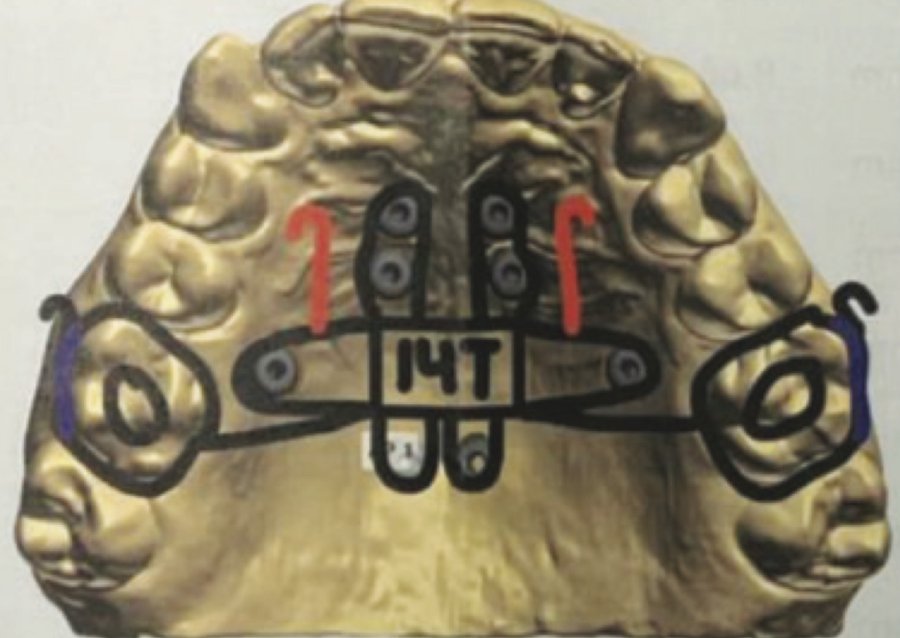
Design
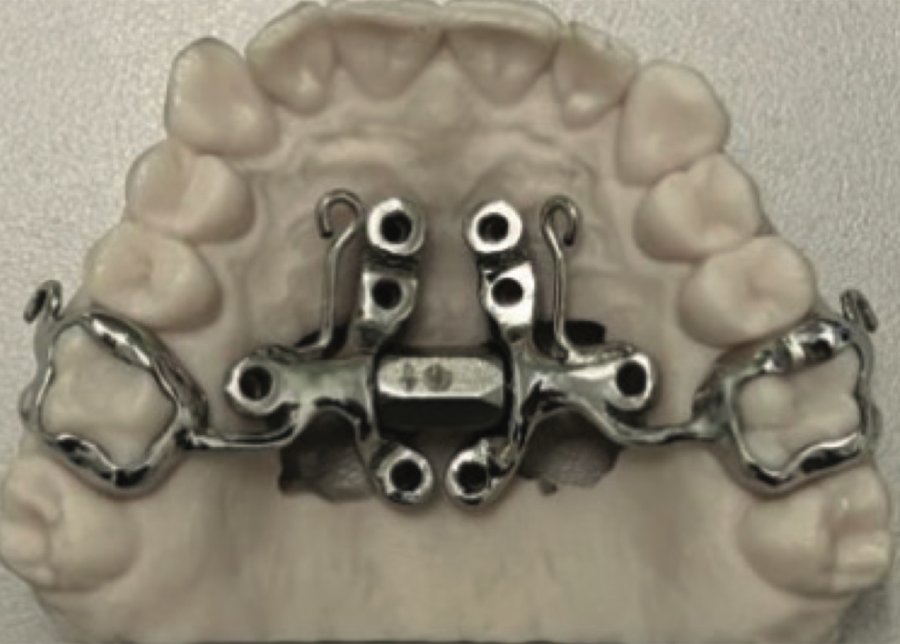
3D-printed fabrication
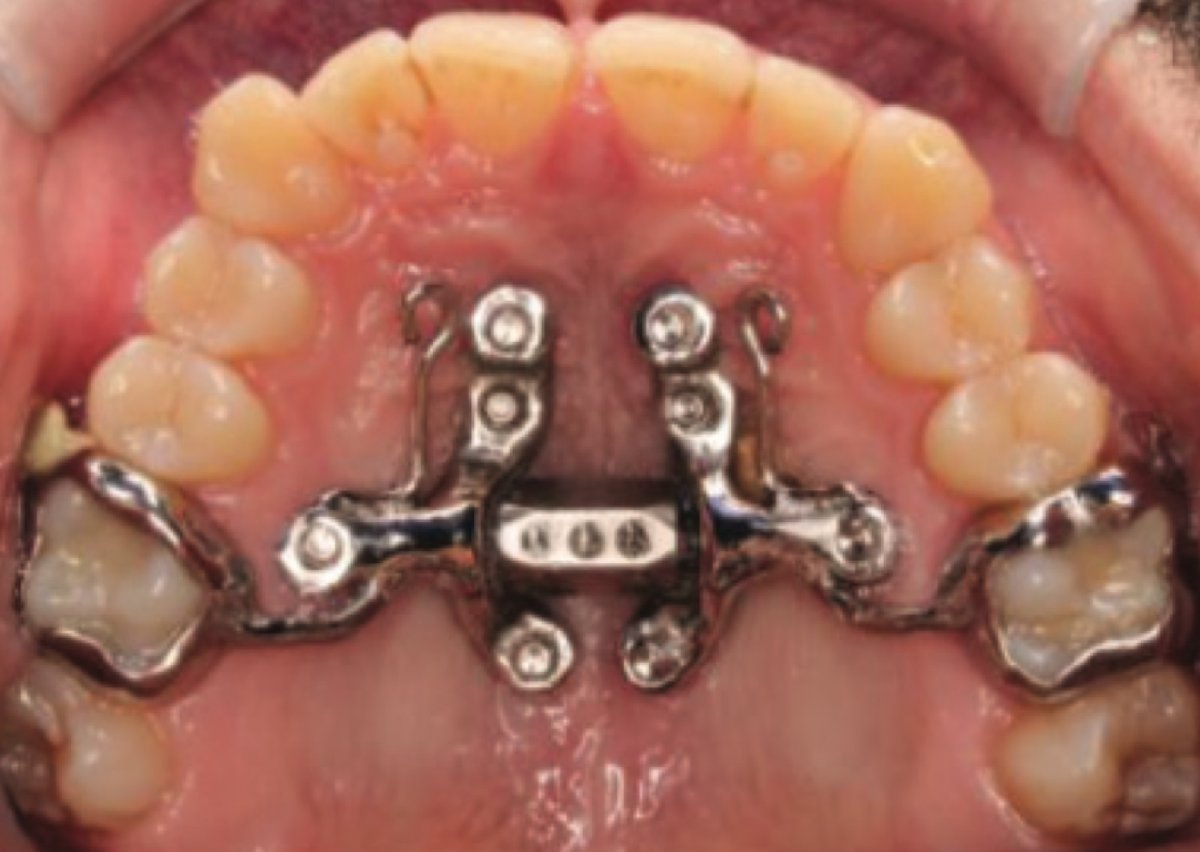
Installed — anchored to bone with miniscrews
Planned digitally, placed in about 30 minutes.
1
3D scan & X-ray
A digital intraoral scan and a 3D cone-beam X-ray map the teeth, palate, and bone.
2
Virtual planning
Miniscrew sites are chosen in the areas of most optimal bone, with position, angle, and depth controlled in advance.
3
3D metal printing
The expander is printed in metal for a precise fit and a rigid framework, with preplanned guides for each miniscrew.
4
Placement
The expander is placed with 4–10 miniscrews in about 30 minutes, under local anesthesia only. Discomfort is minimal and well managed with over-the-counter medication for 1–4 days.
5
Split & align
The mid-palatal suture splits in about 1–3 weeks. Invisalign begins at the same time to guide the teeth as the jaw widens. Expansion and alignment continue for 6–9 months.
The No Diastema Protocol
When the palate splits, a gap (diastema) normally opens between the upper front teeth. By starting Invisalign alongside the expander, expansion is slower and more controlled, a large gap is prevented, and the rest of the teeth are aligned at the same time.
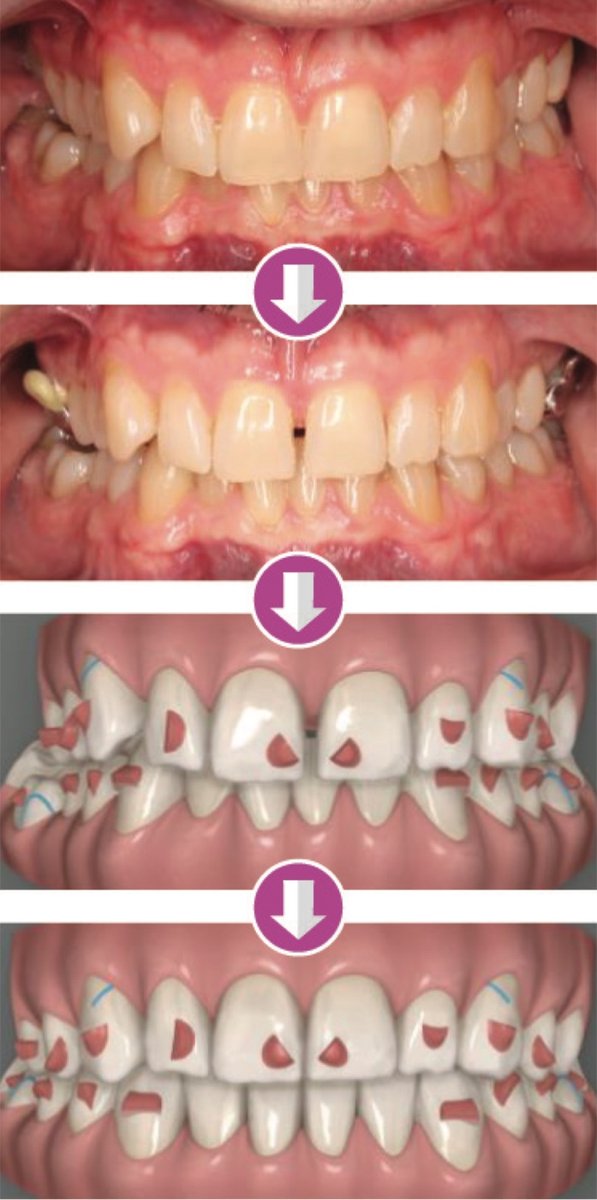
Sutural split with simultaneous Invisalign
How it’s different — and why consider it.
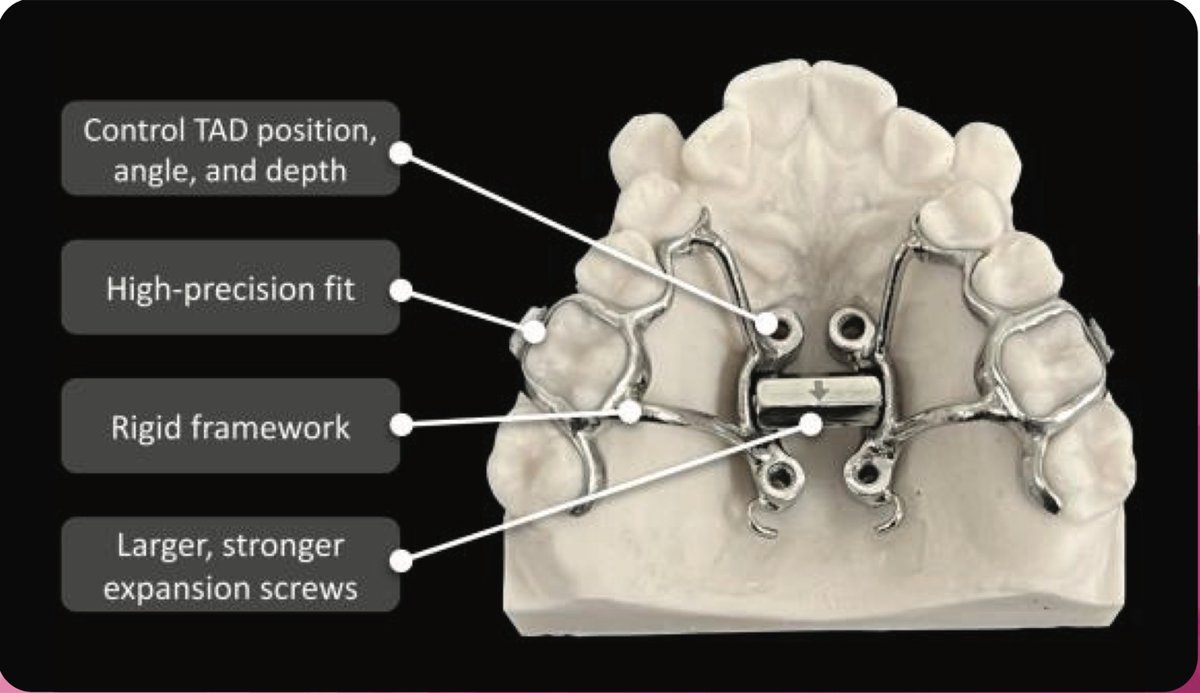
Controlled miniscrew placement
Position, angle, and depth of every miniscrew are planned on your 3D X-ray, in the areas of best bone.
High-precision fit
Printed from your digital scan, so the appliance seats exactly as planned.
Rigid framework
3D metal printing creates a stiffer frame for the most calculated application of force.
Larger, stronger screws
A more robust expansion screw delivers the force needed to split the mid-palatal suture.
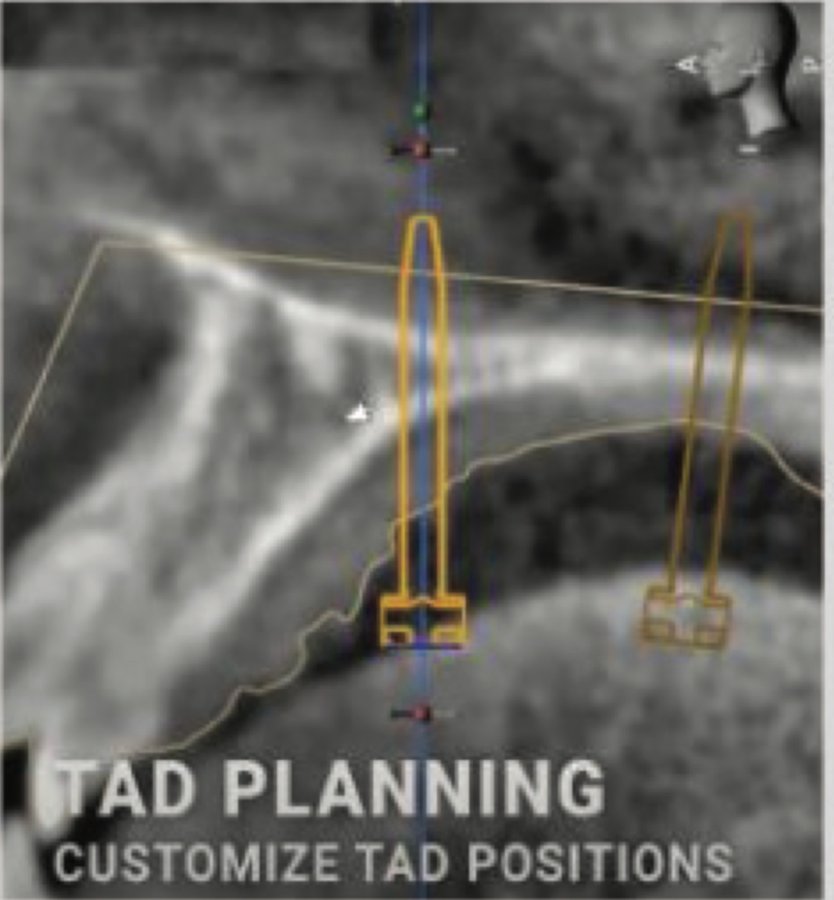
Miniscrew planning on 3D X-ray
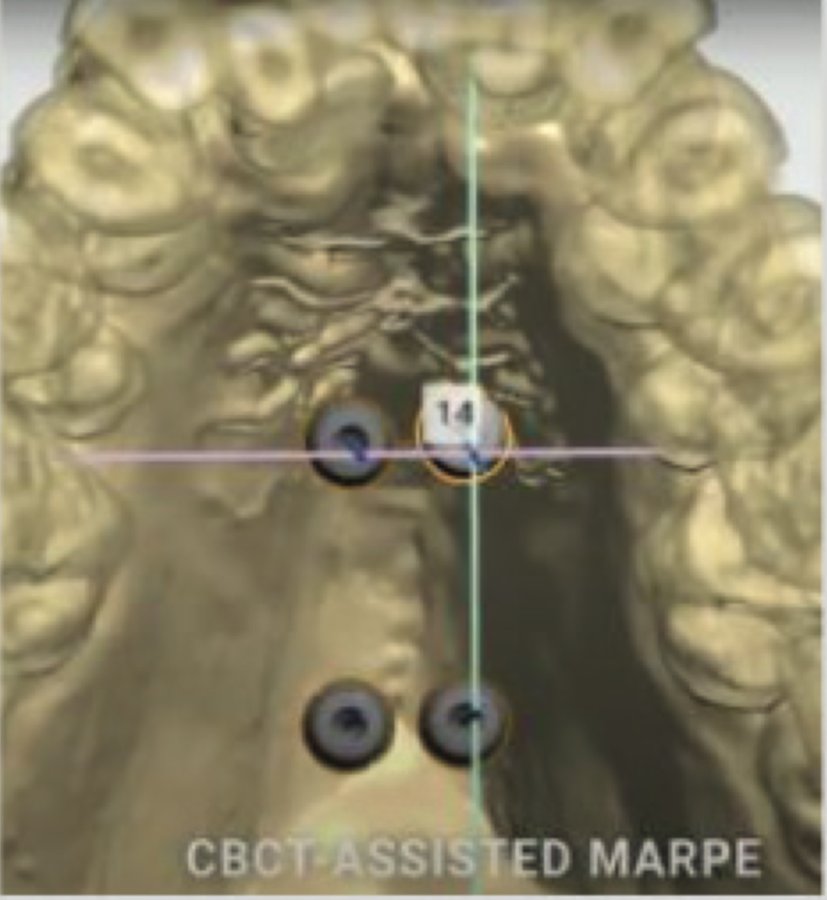
CBCT-assisted design
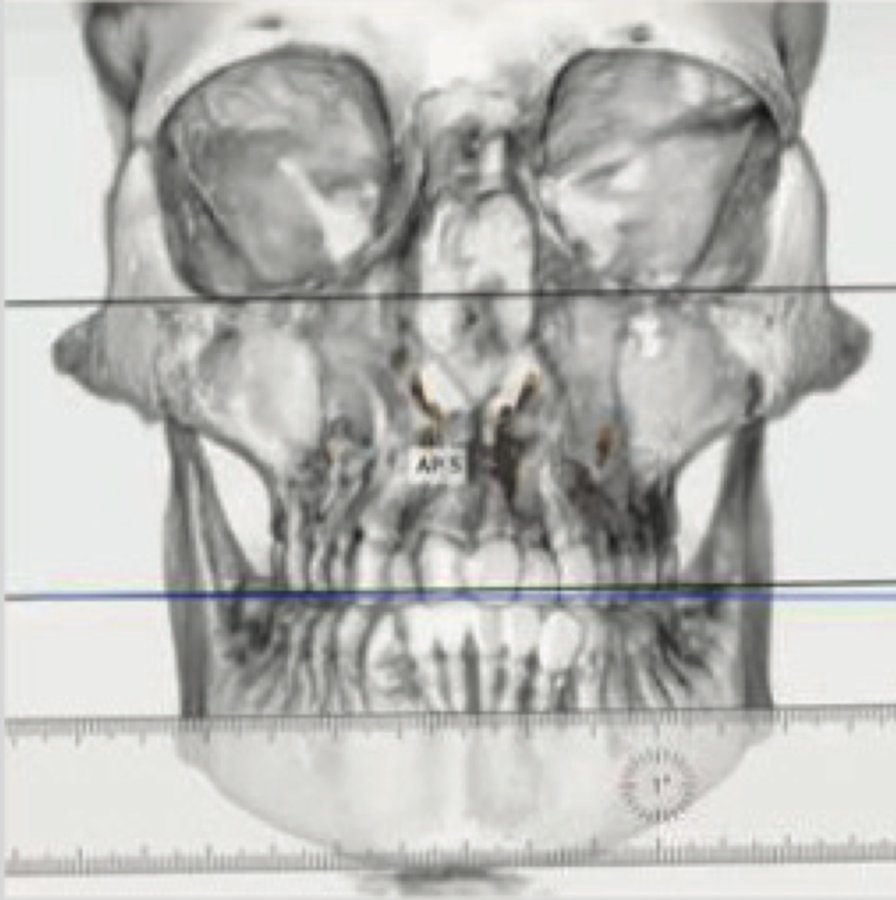
Full 3D assessment
MARPE vs. epigenetic expansion — which is right for me?
| Feature | MARPE | Epigenetic Expansion |
|---|---|---|
| How it works | Bone-anchored expander splits the mid-palatal suture quickly, in about 1–3 weeks | Gentle, intermittent pressure stimulates new bone growth slowly over 1–2 years |
| Appliance | Fixed — anchored with 4–10 miniscrews | Removable — worn 14–18 hours per day |
| Placement | About 30 minutes, under local anesthesia | No procedure — the appliance is fitted and adjusted |
| Speed | Suture splits in about 1–3 weeks; expansion and alignment continue for 6–9 months | Gradual — typically 12–24 months of treatment |
| Tooth alignment | Simultaneous Invisalign | Clear aligners may be used in the finishing stage |
| Daily commitment | None — the expander stays in place | Consistent daily wear is essential to results |
Questions patients ask most.
Am I too old for palatal expansion?
Conventional expanders work well in children because the mid-palatal suture is not yet closed. MARPE was developed specifically for patients whose sutures have already closed. With custom 3D planning, successful sutural opening is predictable for nearly all ages.
Is it surgery? Does it hurt?
No. MARPE is non-surgical and non-extraction. The expander is placed in about 30 minutes under local anesthesia only. Discomfort is minimal and is well managed with over-the-counter pain medication for 1–4 days.
Will I get a gap between my front teeth?
Expansion normally opens a gap between the upper front teeth. With the No Diastema Protocol, Invisalign begins alongside the expander, so expansion is slower and more controlled, a large gap is prevented, and the other teeth are aligned at the same time.
How does MARPE help with sleep apnea?
Widening the upper jaw increases the volume of the nasal cavity, lowers nasal resistance, and gives the tongue room to rest up and forward instead of falling back into the airway. Because the appliance is anchored to bone rather than teeth, more of the expansion is true skeletal widening — which has a direct effect on nasal airflow and OSA symptoms. Dr. Haller also evaluates every expansion patient for tongue tie and nasal breathing.
Does insurance cover this?
Our practice is fee-for-service. We provide a Letter of Medical Necessity and all relevant codes for you to submit to your insurer, and can discuss payment options at your consultation.